As someone who works and lives abroad, relying on just English doesn’t always cut it. Everyday life requires a certain level of familiarity with languages beyond my own, and though I’ve enjoyed this experience, it can be taxing. I’ve needed to learn more than just enough to survive – my goal is to be able to thrive here.
That said, learning a language is hard. It involves a lot of hard work, studying, and most importantly consistency. For me, that last part was always the biggest challenge. It’s easy to pick things up, learn for a few days, and then tell myself “Oh, I’ll do this tomorrow, I’ll do this tomorrow,” only to never get back to studying. The scope of “learning a language” is just too big, so I would become intimidated and procrastinate.
Enter the AfrikaansPod101 25-Day Challenge. AfrikaansPod101 has a few different Challenges, which rotate monthly – There’s the “Conversational Fluency” challenge, the “Sentence Pattern” challenge, and the one I took: the “100 Core Conversational Phrases” challenge.
Interested in joining the next 25-Day Challenge? Click here to learn more and enroll. (Starts April 1st.)
I completed the February Challenge, which had a focus on the core conversational phrases. This challenge let me follow a specific timeline, within a limited scope, and go at my own pace through the lessons. The lessons included useful beginner-level information, quizzes to reinforce it, and practice dialogues that made me use what I had learned in a semantic way.
As someone who has gone through all 25 days, passed the final exam, and received my certificate, I want to share my experience with the program.
1. The Daily Lesson Gave Me a Clear Pattern to Follow
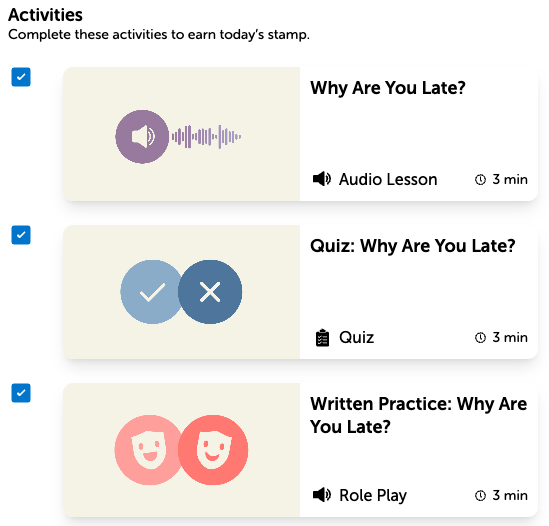
As a part of the 25-Day challenge, I was able to take one lesson a day. Each day, I would get a lesson that contained one audio explanation of the day’s lesson focus, one quiz, and one written practice.
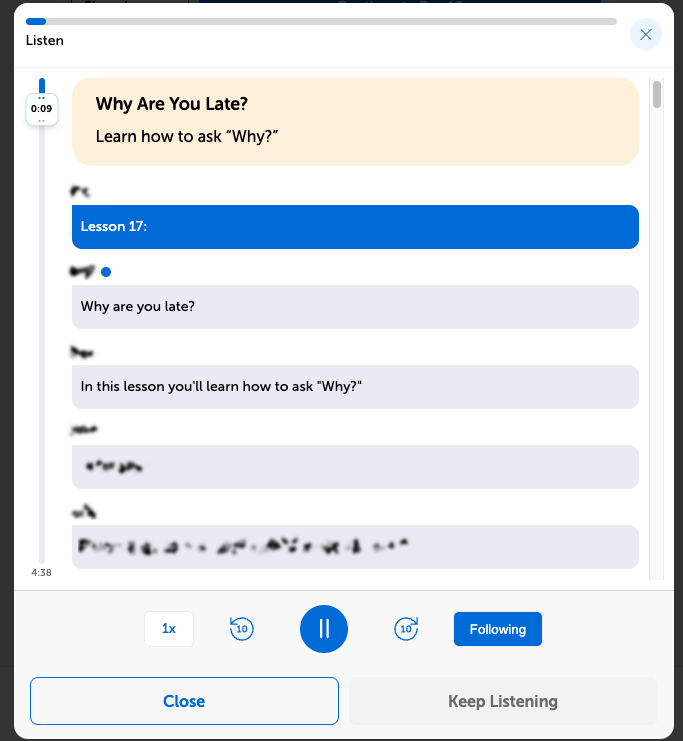
Each audio lesson was centered around a central topic – for example, the fifth day was about asking someone “How are you?” This covered not just the way to ask “how are you” in Afrikaans, but how to ask it both casually and formally, as well as how to respond. The host would cover not just the sentences, but also breakdown the pronunciation, and include some example phrases.
It also included a cultural note at the end of the audio lesson, which while not always grammatically related to what I learned, was connected to how authentic Afrikaans speakers talk about things in real-world conversations.
Being able to listen to these explanations once a day really helped keep the overwhelming scope of an entire language defined into small, “bite-sized” chunks. The cultural notes also really helped to ground each day’s lesson into its real-world applications, making them feel practical and useful.
2. The Quiz Helped Me Catch Mistakes Right Away
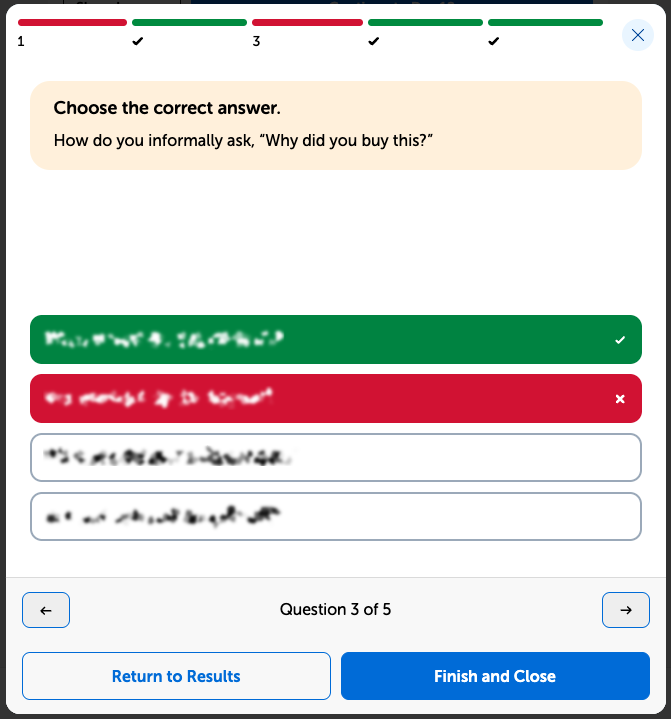
After the audio lesson, there would always be a short quiz section to refresh my memory and ensure I hadn’t made any mistakes when writing my notes. These quizzes were always 5 questions long, and covered material from the whole of the audio lesson – including the cultural point.Because many lessons cover not just the polite form, but also the casual form, this was a good way for me to get straight which one to use with friends and which to use with strangers. Sometimes, the words would be very similar between the two forms, so when I would get them wrong it would be a good wake-up call to practice them more closely.
3. The Practice Made Me Use Afrikaans for Myself
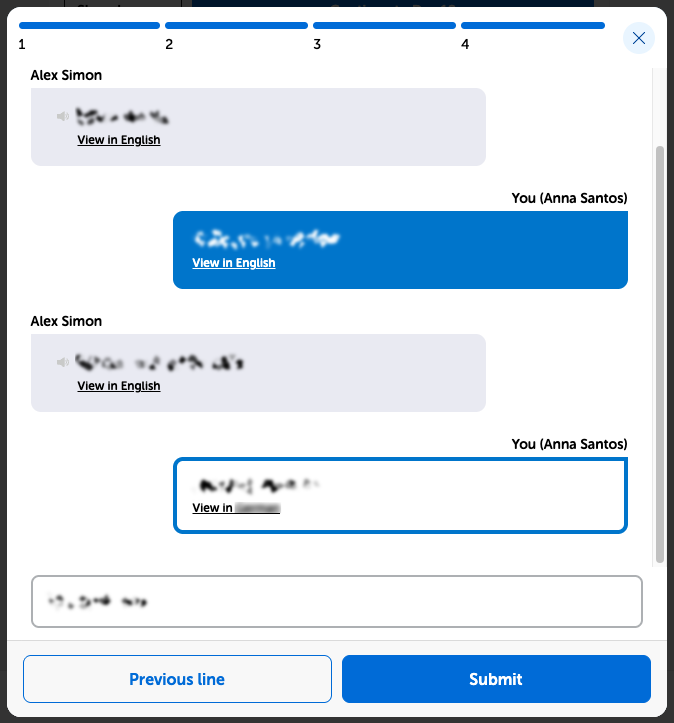
Finally, each day ends with a short, A-B dialogue where you need to self-insert as one of the characters. Whether you start the conversation, or are prompted to respond, the program will provide you with a sentence in English and prompt you to translate it into Afrikaans. Once you do, you’ll get a response and have to write the follow-up sentence as well. This section could be difficult at times – knowing the right way to respond can be a challenge, even when you know the theory.
Thankfully, if I gave an incorrect answer, the program would let me know where I had made a mistake, and give a suggestion on how to get closer to the correct answer. While it will let you proceed with a “close enough” answer, like answering politely when a casual tone would be appropriate, I challenged myself to retry each dialogue entry until I got a “Perfect!” back from the program.
Personally, I would encourage you all to do the same, as it helps stick the response in your mind. Also, if you really get stuck, there’s always the option to reveal the answer. Though of course, you should try to get it right first!
4. The Final Exam Improved My Recall
For each 25-day course, the final day includes a 20 question final exam for you to take. This exam covers all the material from the previous 24 days, and tests not just your ability to remember the grammar but also to understand the spoken Afrikaans you’ve been listening to throughout the lessons.
While taking this exam, I could rely on my notes from the previous days to carry me through much of the multiple-choice exam. This helped me solidify my understanding not just in my short-term memory, but also keep it fresh in the back of my mind for the future. The audio “listening” questions also meant I had to keep an ear out for words I’d learned, rather than just rely on learning Afrikaans through reading only.

5. Conclusion
Overall, I would say that the format of the 25-day challenge has worked very well for me. The way each part serves its own purpose, from teaching to reinforcing to testing, has really helped keep the lessons “fresh” without being monotonous.
The fact I had to apply what I had learned immediately meant I couldn’t just go on autopilot with the lessons but had to be present and learning in each day. And the fact that it was just one short lesson a day meant that, not only did I keep my schedule up, but it wasn’t a part of my routine that I was “dreading” to do like some online classes can be. In just a few short weeks, I learned so much! So, I’d highly recommend the 25-day challenge, and start learning Afrikaans right away! Beginning in April, the AfrikaansPod101 “Conversational Fluency” challenge will begin, and you too can start to learn Afrikaans in an easy, manageable way. Click the link to learn more – enrollment goes until March 31st!